
Step-by-Step Guide: How to Assemble and Commission a 6-Level SUV Rotary Parking System (PCX)
As urban density increases, commercial developers and automotive businesses worldwide are turning to heavy-duty rotary parking systems (PCX) to maximize their footprint. However, importing the equipment is only the first step; understanding the on-site assembly, manpower requirements, and engineering foundations is vital for an accurate ROI calculation.
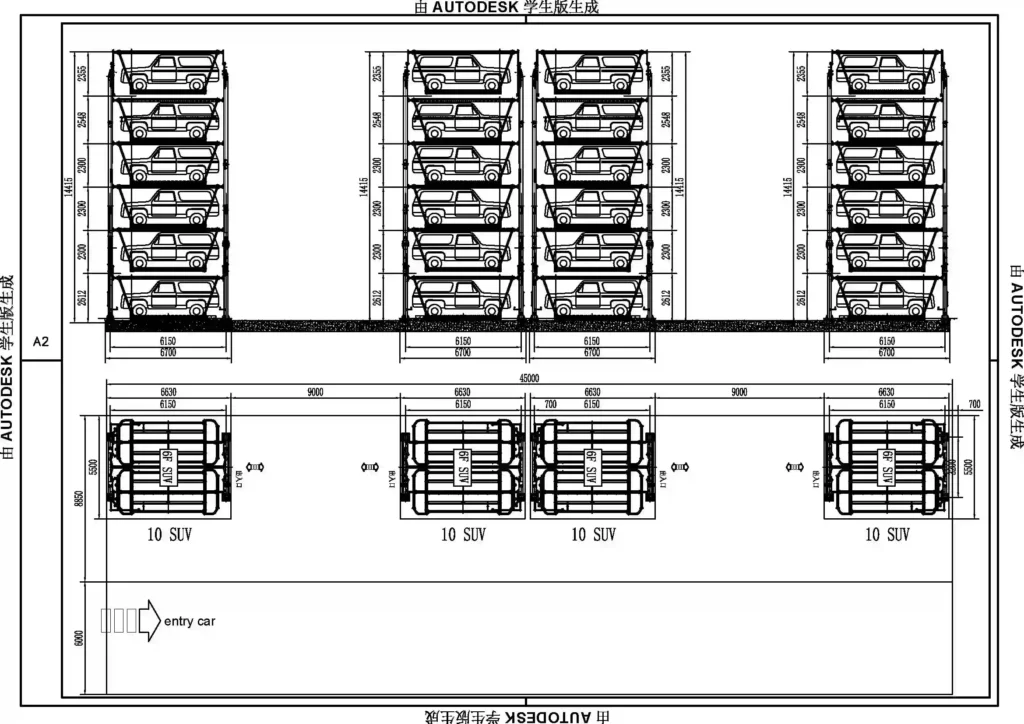
Based on our recent project engineering blueprints for a 4-unit, 6-level SUV rotary parking system in South America (Uruguay), the Syrison Engineering Team has standardized the deployment matrix to help global clients streamline local construction.
1. Manpower Allocation & Professional Trade Requirements
A rotary parking system is a massive synchronization of heavy steel structures, high-torque motor drives, and advanced PLC control cabinets. You cannot build this with general labor alone. For each individual unit, the recommended professional crew size is 5 to 6 specialists, divided into two distinct execution phases:
Mechanical Phase Crew: * 1 Certified Crane Operator (to manage heavy lifters)
1 Site Signalman/Rigging Supervisor (to guide critical lifting paths)
4 Mechanical Assemblers (responsible for column erection, driving chain installation, and SUV pallet mounting)
Electrical Phase Crew:
2 Industrial Electricians / Automation Technicians (responsible for sensor wiring, safety interlock programming, and PLC debugging)
2. Required Lifting Equipment & Personnel Safety Access
Because a 6-level SUV rotary unit stands well over 10 meters tall, standard forklifts are insufficient. Your local site logistics plan must secure:
For Heavy Component Lifting: A mobile truck crane (capacity determined by site access and maximum component weight, typically a 25-ton to 50-ton crane is localized) is mandatory. The crane must be scheduled on-site for approximately 2 full days per unit to lift the heavy master frames, upper drive gears, and overhead structures.
For Personnel Elevation: Scissor lifts or articulating boom lifts are required throughout the entire mechanical assembly phase to ensure technicians can bolt structural bracings and route cables safely at elevated tiers.
3. Timeline Breakdown: From Raw Steel to Live Commissioning
Time is money on a commercial job site. Working in standard 8-hour daily shifts, the assembly and commissioning pipeline for each single unit spans 7 working days:
Days 1 to 3 (Mechanical Assembly): Erecting the structural steel frame, installing the main drive shafts, looping the heavy-duty transmission chains, and securing the 10 SUV-ready platforms. Note: Crane support is actively required for the first 2 days of this phase.
Days 4 to 7 (Electrical Wiring & Testing): Running the control harnesses, configuring the photoelectric safety sensors, programming limit switches, and conducting loaded/unloaded rotation cycles to guarantee flawless operation.
4. Civil Engineering & Foundation Block Standards
A multi-car rotary system carries immense dynamic and static loads, especially when fully occupied by heavy electric SUVs or large trucks.
Local Geology Compliance: Foundation blocks cannot be “one-size-fits-all.” Soil load-bearing capacity varies greatly from coastal regions to high-altitude terrains. The foundation must be custom-designed by a local certified architectural design institute according to local building codes and soil conditions.
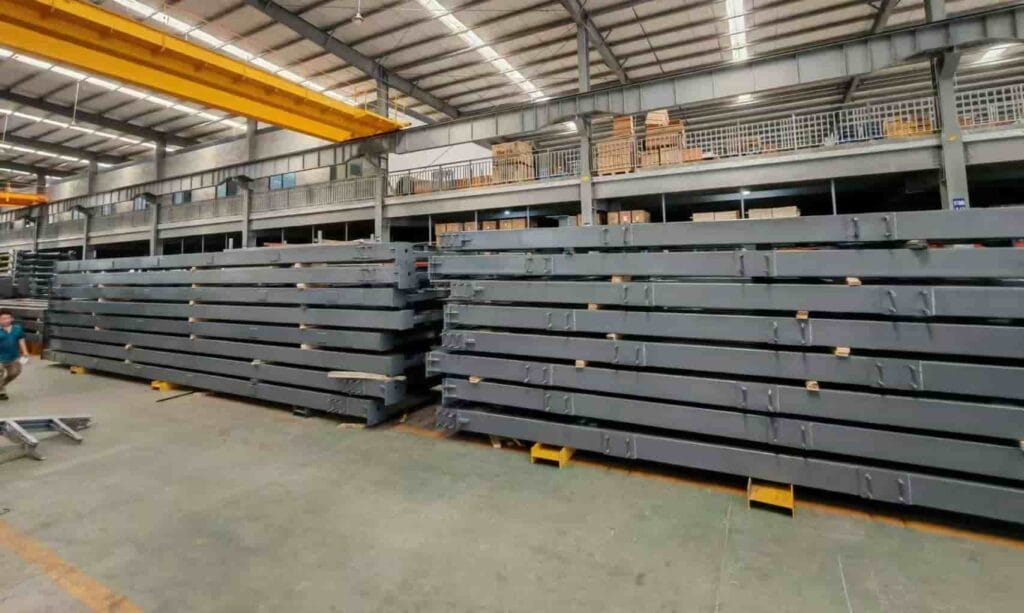
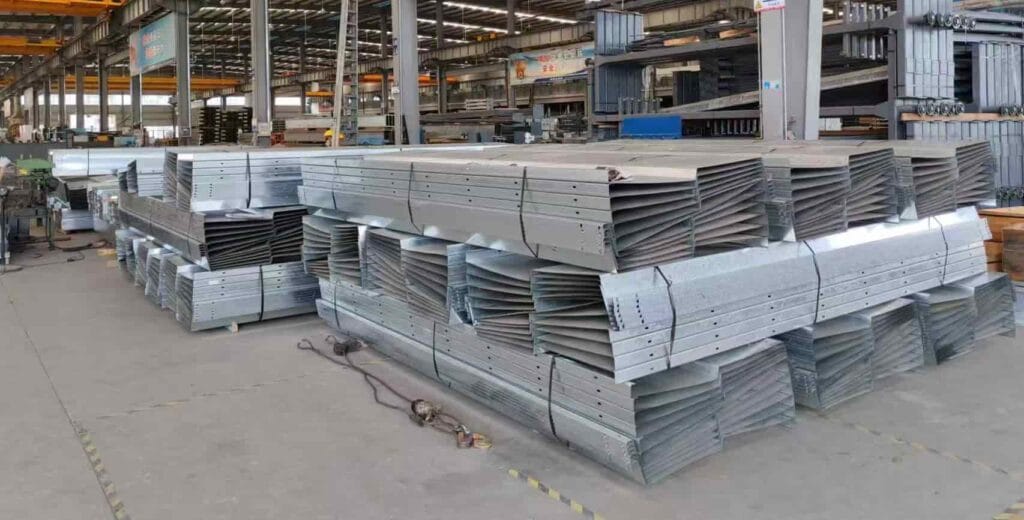
Manufacturer Support: To assist your local engineers, BestCarLift provides comprehensive reference foundation drawings from successful identical global deployments. This includes anchor bolt layouts, concrete grade recommendations (typically C30/C35 minimum), and dynamic loading charts.
5. Preventative Maintenance & Global Remote Technical Security
To ensure your investment operates smoothly for decades, Syrison implements a double-layered operational security protocol:
Routine Maintenance Schedule: Every 30 to 45 days, a routine check should be conducted by local maintenance technicians. This includes checking fastener tightness, inspecting wear on chain links, and lubricating core mechanical bearing tracks according to our Syrison Maintenance Manual.
Plug-and-Play Media Support: We provide step-by-step high-definition installation videos and logic schematics to guide local contractors.
On-Site Expert Guidance: For clients seeking zero-risk execution, BestCarLift offers a global dispatcher service. We can send a senior dispatch engineer to your country to oversee the entire installation and debugging process. The premium factory-direct rate is just US$150 per day (with the client covering round-trip airfare, localized meals, and hotel accommodations).
Conclusion: Engineering That Spans Oceans
Deploying smart parking technology doesn’t have to be a logistical nightmare. By choosing a transparent, factory-direct manufacturer like BestCarLift, you gain more than just machinery; you acquire verified technical security, localized engineering support, and an uninterrupted global supply chain.
If you are a car collector, property developer, or commercial parking lot operator in South America, Europe, or the Middle East looking to optimize your vertical footprint with elite mechanical engineering, [Contact the BestCarLift Technical Support Team Today] for a complimentary CAD layout and structural consultation.